

insulated glass prices
The marine industry relies heavily on robust and reliable fluid control systems to ensure the safe and efficient operation of vessels and offshore infrastructure. Among the critical components in these systems are gate valves , which play a pivotal role in regulating fluid flow. This article explores the gate valve types commonly used in marine environments, with a focus on their design, functionality, and specific applications. We will delve into the importance of gate valves in marine systems, highlight the unique features of the 1 1 2 gate valve and 1 1 4 gate valve , and address frequently asked questions to provide a comprehensive understanding of these essential components. Understanding Gate Valve Types in Marine Systems Gate valve types are categorized based on their design, material, and operational mechanisms. In marine applications, the primary gate valve types include rising stem, non-rising stem, wedge gate, and knife gate valves. Each type serves distinct purposes, tailored to the demanding conditions of maritime environments. Rising Stem Gate Valves: These valves feature a stem that rises as the valve opens, providing a visual indicator of the valve’s position. They are ideal for above-deck installations where accessibility and visibility are critical. Non-Rising Stem Gate Valves: Compact and suitable for confined spaces, these valves are often used below deck or in pipelines where vertical space is limited. Wedge Gate Valves: Known for their tight sealing capabilities, wedge-shaped discs ensure minimal leakage, making them perfect for high-pressure marine systems. Knife Gate Valves: Designed to handle viscous fluids or slurries, these valves are commonly used in offshore drilling and ballast systems. Marine-grade gate valve types are typically constructed from corrosion-resistant materials like bronze, stainless steel, or duplex steel to withstand saltwater exposure. Compliance with international standards such as ASTM, ISO, and marine classification society certifications ensures reliability and longevity. The Role of Gate Valves in Marine Applications Gate valves are indispensable in marine systems due to their ability to provide unobstructed flow when fully open and tight shut-off when closed. Their simple yet robust design makes them suitable for a wide range of applications, including: Ballast Systems: Gate valvescontrol the intake and discharge of seawater to stabilize vessels during loading or rough seas. Fuel Transfer Lines: They regulate the flow of diesel or heavy fuel oil between tanks and engines. Cooling Systems: Gate valvesmanage seawater circulation to prevent engine overheating. Firefighting Systems: Quick-acting gate valves ensure rapid water supply in emergencies. The bidirectional flow capability of gate valves eliminates installation orientation constraints, while their low-pressure drop minimizes energy loss. Marine engineers prioritize gate valves for their durability and ease of maintenance, which are critical in remote or harsh offshore environments. Features and Applications of 1 1 2 Gate Valve in Marine Settings The 1 1 2 gate valve refers to a valve with a nominal diameter of 1.5 inches, optimized for medium-flow marine systems. Key features include: Compact Design: Its smaller size allows integration into tight spaces without compromising performance. High-Pressure Tolerance:Constructed from forged stainless steel, the 1 1 2 gate valve withstands pressures up to 600 PSI. Corrosion Resistance: Epoxy-coated bodies and PTFE seals protect against saltwater degradation. In marine applications, the 1 1 2 gate valve is commonly deployed in: Auxiliary cooling lines for generators. Lubrication oil transfer systems. Hydraulic control circuits. Its reliability in frequent cycling operations makes it a preferred choice for systems requiring regular adjustments. Advantages of Using 1 1 4 Gate Valve for Marine Operations The 1 1 4 gate valve , with a 1.25-inch nominal diameter, bridges the gap between smaller and larger valves, offering versatility for specialized marine tasks. Its advantages include: Precision Flow Control: The intermediate size allows fine-tuning of flow rates in systems like fuel injection or chemical dosing. Lightweight Construction: Aluminum-bronze alloys reduce weight without sacrificing strength, ideal for mobile offshore units. Easy Maintenance: Standardized flange connections enable quick replacement or repairs. Typical applications for the 1 1 4 gate valve include: Bilge pumping systems. Compressed air lines. Potable water distribution networks. Both the 1 1 2 gate valve and 1 1 4 gate valve are available in bulk quantities, ensuring seamless supply chain management for large-scale marine projects. FAQ s About Marine Applications of Gate Valve Types What are the primary differences between gate valve types in marine systems? Marine gate valve types differ in design and application. Rising stem valves offer visual position indication, while non-rising stem valves suit space-limited areas. Wedge gate valves excel in high-pressure sealing, and knife gate valves handle thick fluids. How does a gate valve ensure leak-proof performance in saltwater environments? Gate valves use corrosion-resistant materials like duplex steel and precision-machined wedges to create a metal-to-metal seal. Regular maintenance, such as lubricating the stem, further enhances longevity. Why is the 1 1 2 gate valve preferred for auxiliary marine cooling systems? The 1 1 2 gate valve balances flow capacity and compactness, making it ideal for cooling lines where space and moderate flow rates are critical. Its forged construction resists thermal expansion. Can the 1 1 4 gate valve be used in high-vibration marine environments? Yes. The 1 1 4 gate valve ’s robust design and flange bolting withstand vibrations common in engine rooms or pump stations. Are gate valve types compliant with international marine safety standards? All gate valve types discussed meet ISO 5208, ASTM A216, and classification society standards (e.g., DNV, ABS), ensuring compliance with global marine safety regulations. In conclusion, gate valves are vital to marine operations, with gate valve types tailored to specific needs. The 1 1 2 gate valve and 1 1 4 gate valve exemplify precision engineering for maritime challenges. As a manufacturer specializing in bulk production, we ensure these components deliver unmatched reliability, durability, and compliance, empowering the marine industry to navigate the world’s waters with confidence.
about
insulated glass prices
Soft Seal Gate Valves An Overview Soft seal gate valves play a pivotal role in various industrial applications, primarily known for their effectiveness in controlling the flow of fluids. Unlike traditional gate valves that utilize metal-to-metal contact, soft seal gate valves employ a resilient sealing mechanism, providing superior sealing performance and leak prevention. This article delves into the characteristics, benefits, and applications of soft seal gate valves. Design and Construction Soft seal gate valves are designed with a robust body typically made from cast iron, stainless steel, or ductile iron. The core feature of these valves is the gate—an integral part that slides within the valve body to open or close the flow channel. Unlike traditional gate valves, the sealing surfaces of soft seal gate valves are made from materials like rubber, EPDM, or other elastomers, allowing for a tight seal even under varying pressure conditions. These materials not only enhance sealing capacity but also contribute to the valve’s resistance against corrosion and wear. Advantages of Soft Seal Gate Valves One of the primary advantages of soft seal gate valves is their excellent sealing capability. The soft sealing surface compresses against the valve seat, minimizing the risk of leakage and ensuring that fluids remain contained within the system. This feature is particularly beneficial in critical applications where even minor leakages can lead to significant operational issues or environmental concerns. Another notable benefit is their low operating torque. The design of soft seal gate valves allows for smooth and easy operation, requiring less force to open or close the valve. This characteristic makes them user-friendly and ideal for operations that require frequent valve manipulation. soft seal gate valve Furthermore, soft seal gate valves typically have a longer service life compared to traditional types. The soft materials used for sealing are less prone to wear and tear, ensuring consistent performance over extended periods. This durability translates to reduced maintenance costs and downtime for industries relying on uninterrupted fluid flow. Applications Soft seal gate valves are widely utilized across various sectors, including water treatment, chemical processing, HVAC systems, and power generation. In water treatment facilities, they play a critical role in regulating the flow of water to prevent contamination and ensure efficient system operation. In the chemical industry, their corrosion-resistant properties make them suitable for handling aggressive fluids. Additionally, these valves find applications in building HVAC systems, where they control the distribution of heating and cooling fluids. Their efficient sealing capabilities also make them essential in power generation plants, where maintaining precise flow rates is crucial for optimal performance. Conclusion In conclusion, soft seal gate valves represent a significant advancement in valve technology, combining effective sealing with ease of operation. Their design mitigates leakage risks while offering enhanced durability, making them a preferred choice for various industrial applications. As industries continue to evolve, the demand for reliable and efficient flow control solutions like soft seal gate valves is expected to grow, reinforcing their importance in modern engineering and infrastructure. Whether in water treatment plants, chemical processing facilities, or HVAC systems, the reliability and efficiency of soft seal gate valves will remain indispensable for ensuring seamless operations.
-

High quality industrial productsagement

High quality industrial products
View Details -

Meet the diverse needs of customers

Meet the diverse needs of customers
View Details -

Strict quality control

Strict quality control
View Details -

Top raw materials

Top raw materials
View Details -

Trusted supplier

Trusted supplier
View Details
Our application
news and information
Water valve fails to close properly and leaks persist
Troubleshooting a Water Valve That Won't Shut Off Encountering a water valve that refuses to shut of

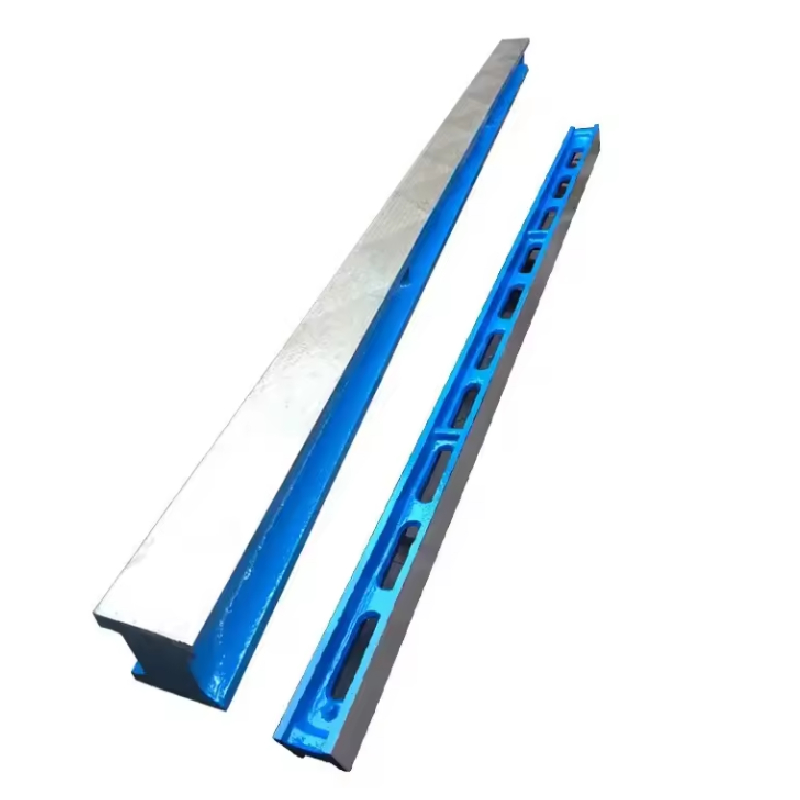
V Guide Rail - Precision Guiding Solutions for Enhanced Motion Control
The Importance of Guide Rails in Modern Infrastructure In the complex world of modern infrastructure
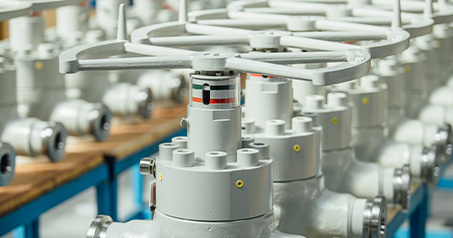
Water Pressure Regulation Valve for Efficient Flow Management and System Stability
Understanding Water Pressure Control Valves Water pressure control valves are essential components i
 English